Is Kyoto Worth Visiting in 2026? Honest Advice for Your Trip
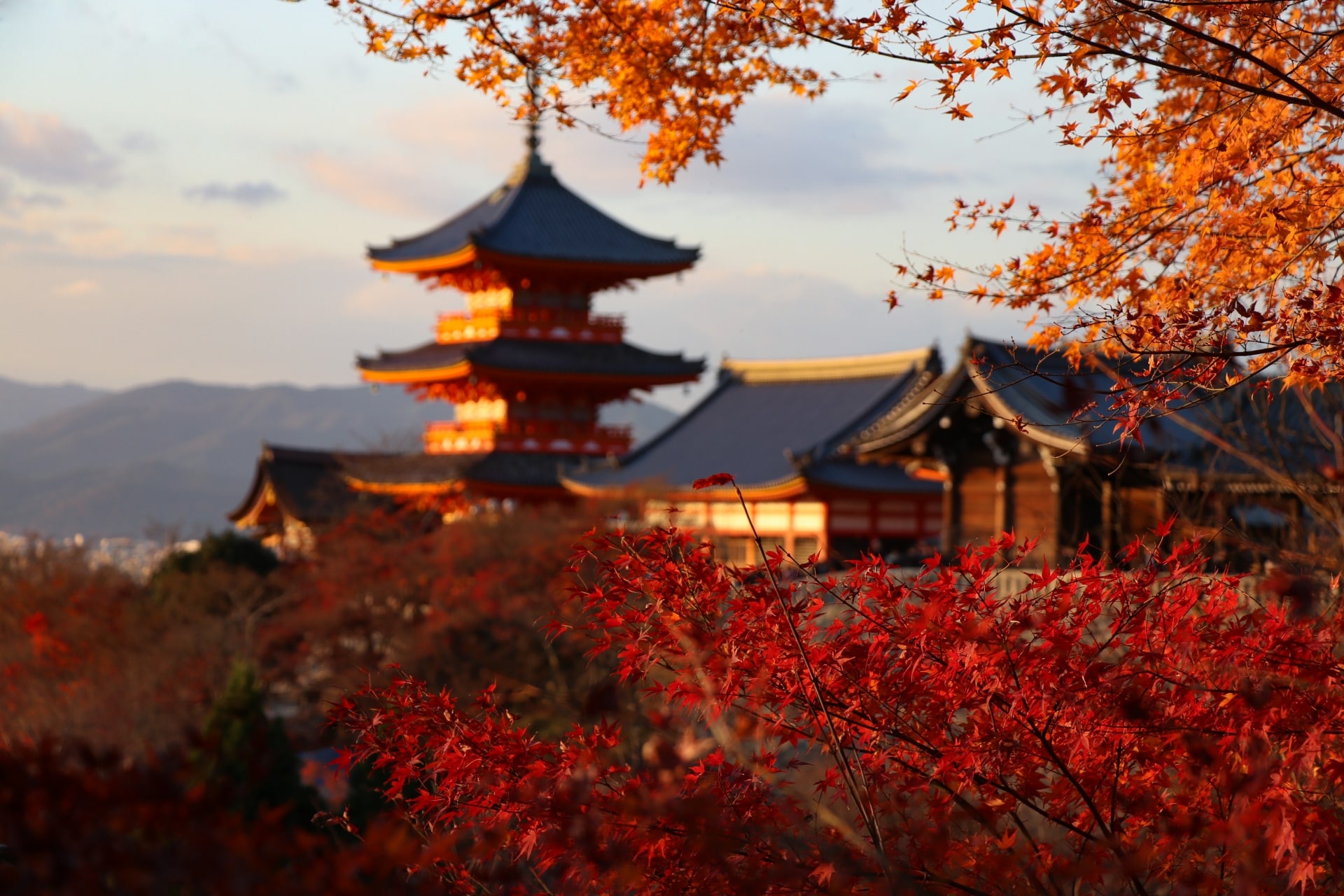
Kyoto is definitely worth visiting in 2026 if you love historic wooden temples, quiet stone paths, and incredible food. Japan's ancient capital pulls millions of travelers every year for good reason, but heavy crowds can shock you if you come unprepared.
This post contains affiliate links. If you book through them we may earn a small commission at no extra cost to you.
The short answer is yes, but your experience depends on how you plan. If you roll out of bed at noon and walk straight to famous sights, you will only see sea-of-selfie-sticks. If you get up early and mix top spots with quiet neighborhoods, Kyoto will steal your heart. We recommend giving this city at least three full days to soak in the atmosphere without rushing.
Is Kyoto Worth Visiting Given the Heavy Crowds?
Crowds in Kyoto are real, and they got bigger over the last year. Popular spots like Fushimi Inari Shrine and the Bamboo Grove in Arashiyama get packed by mid-morning. You might find yourself shoulder-to-shoulder with thousands of tourist groups on narrow lanes.
Does that mean you should skip it? Not at all. You just need a simple strategy. Visit the famous temples right when they open at 7:00 AM. By 10:00 AM, head into lesser-known residential side streets or north toward quieter gardens. Watching sunlight break through orange gates while the air is still cool makes the early wake-up call feel easy.
You can also explore Japan beyond the busiest zones. Many smart travelers pair Kyoto with quieter regions or keep up with special deals like the United Airlines Offers Free Flights in New Travel Contest to stretch their trip budgets.

How Many Days Do You Really Need in Kyoto?
Three days is the sweet spot for a first trip. It gives you enough time to cover the main east and west sides of the city without getting temple burnout. You can walk through ancient gates, eat fresh matcha sweets, and still have downtime to relax in a local park.
If you have five days, even better. You can add easy day trips to Nara to see friendly free-roaming deer, or head to Uji to taste some of the world's finest green tea. With two days or less, you will feel rushed, constantly checking your watch between bus stops.
Where to Stay in Kyoto: Best Neighborhoods
Choosing the right area keeps your trip stress-free. Kyoto is big, but its transit network makes moving around simple if you stay near main lines.
For first-time visitors, Downtown (Kawaramachi) or Gion is ideal. You can step out of your hotel room straight into shopping arcades, noodle shops, and lantern-lit alleyways. If you prefer quiet evenings, the area around Kyoto Station works great because trains and buses leave right from your doorstep.
- For luxury travelers: Stay near Gion for historic boutique hotel spots where you can sleep on tatami mats and enjoy full traditional breakfasts.
- For families and convenience: Look near Kyoto Station. You get quick access to train lines, modern food halls, and big grocery stores.
- For budget travelers: Look for cozy guest houses in the Gojo or Karasuma areas just south of downtown.
When booking rooms, always check current prices early because popular places fill up fast, especially during spring cherry blossom and autumn leaf seasons. You can check places to stay through hotels in Kyoto to secure your spot months ahead.
How to Get to Kyoto and Around the City
Getting to Kyoto is smooth. Most international visitors land at Kansai International Airport near Osaka or fly into Tokyo and take the bullet train west.
If you land at Kansai Airport with heavy bags, public buses or trains take about 75 to 90 minutes. To skip the hassle of carrying luggage through train gates after a long flight, we recommend booking comfort with airport transfers to Kyoto directly to your hotel front door. If you want a personal trip from Osaka or Tokyo with stops along the way, booking private drivers in Japan saves time and energy.
Once you are in the city, the subway system and local trains are your best friends. Buses are convenient, but they often get stuck in traffic during peak hours. Walking remains the single best way to discover tiny neighborhood cafes and quiet shrines that do not show up on tourist maps.
Top Things to Do in Kyoto That Live Up to the Hype
Some tourist sights miss the mark, but Kyoto has several iconic places that completely deserve their fame. Here are the experiences you should not skip:
1. Walk the Torii Gates at Fushimi Inari at Sunrise
Thousands of bright red gates wind up a wooded mountain. It is free to visit and open 24 hours. Aim to arrive by 6:30 AM. As you walk higher up the path, nine out of ten tourists drop away, leaving you in peaceful silence under the forest canopy.
2. Experience a Traditional Tea Ceremony
Sitting on woven straw mats while a tea master prepares green matcha is a core memory for many travelers. It teaches you the slow, careful rhythm of Japanese hospitality. It pays to book ahead online, so grab your Kyoto attraction tickets before you arrive to lock in your preferred time slot.
3. Explore Gion and the Historic Streets of Ninenzaka
Preserved wooden townhouses lined with paper lanterns make you feel like you stepped back two hundred years. Early morning offers clear photography, while evening brings cozy light from warm izakaya pub windows.
Is Kyoto Expensive? Real Budget Breakdown
Kyoto can fit almost any travel budget. It is not as expensive as Western Europe or North America, but costs add up quickly if you eat in tourist hotspots every meal.
A mid-range couple should budget roughly $120 to $200 USD per day for food, train passes, and temple entrance fees. Temple entry usually costs between 400 and 800 yen (about $3 to $6 USD) per person. Delicious bowl-of-ramen lunches cost around 1,000 yen, while dinner at a nice neighborhood place costs around 3,000 yen.
To keep costs low, buy breakfast at local convenience stores. Their egg sandwiches and rice balls are fresh, cheap, and famous for good reason. For long travel days across Japan, check current prices on flights to Japan well before your target dates.
Planning Checklist for Kyoto 2026
- Get an IC Card (like Suica or Icoca) on your phone for easy tap-and-go subway rides.
- Pack good walking shoes. You will easily log 15,000 to 20,000 steps a day on hard stone paths.
- Carry a little cash. Small temple stalls and local snack shops often do not take credit cards.
- Download an offline map app so you can find hidden alleyways without using mobile data.
- Carry a small plastic bag in your daypack because public trash cans are rare in Japan.
Frequently Asked Questions About Kyoto
What is the best month to visit Kyoto?
October and November bring cool temperatures and gorgeous red autumn leaves. April is stunning for cherry blossoms, but it brings the biggest crowds of the year. May and September offer great weather with slightly smaller crowds.
Can I visit Kyoto as a day trip from Osaka?
Yes. The rapid train between Osaka and Kyoto takes only 30 minutes. However, staying in Kyoto allows you to enjoy early mornings before day-trippers arrive from Osaka.
Do people speak English in Kyoto?
Most staff at hotels, train stations, and main tourist spots speak good English. Signs on public transit are fully translated. Learning basic Japanese words like "arigato" (thank you) makes local interactions warm and friendly.
So, is Kyoto worth visiting in 2026? Absolutely. Respect the local rhythm, set your alarm early, and enjoy one of the most remarkable cultural cities on Earth. Have you started planning your Japan itinerary yet?


Comments
Post a Comment