3 Days in Seville Itinerary 2026: What to Do and See
Seville smells like orange blossoms and roasted coffee the moment you step outside in the morning. If you have three days in Andalusia, this city will steal your heart with its tiled courtyards, bright sun, and soulful evening music. It is small enough to walk almost everywhere, yet packed with centuries of living history.
You can see the grand royal palace, climb an ancient bell tower, wander narrow medieval alleys, and watch fiery flamenco all in one weekend. Three full days give you the sweet spot between seeing the highlights and soaking up the slow afternoon pace. Take your time, sip cold drinks in shaded plazas, and let the city charm you.
This post contains affiliate links. If you book through them we may earn a small commission at no extra cost to you.
Day 1: Royal Palaces and the Heart of Santa Cruz
Start your first morning early at the Royal Alcazar. This palace is one of the oldest royal compounds still in use in Europe, and the stone carvings look like delicate lace. You can walk through sunlit courtyards where kings and queens rested centuries ago. The upper gardens are filled with palm trees, peacocks, and trickling fountains that keep the air cool even on hot afternoons. Lines get long by mid-morning, so remember to reserve attraction tickets online in advance to save your morning hours.
Right next door sits the Seville Cathedral, one of the largest Gothic churches anywhere on the planet. Step inside to see the soaring stone arches and the tomb of Christopher Columbus. You should climb the gently sloped ramps of the Giralda bell tower. There are 35 ramps instead of stairs, originally built so guards could ride up on horseback. The panoramic view of the red tile roofs from the top is unbeatable.
Spend your late afternoon getting lost in Barrio Santa Cruz. This old Jewish quarter is a maze of whitewashed homes, bright flower pots hanging from iron balconies, and tiny hidden squares. Grab a mid-afternoon cold beer and salty almonds at a corner bar. For dinner, pull up a wooden stool at a busy neighborhood counter and order dishes of cured ham, fried baby squid, and spinach with chickpeas. The local rhythm means dinner starts around 9:00 PM, so never rush your evening meal.
Day 2: Grand Plazas, River Walks, and Soulful Flamenco
Wake up and walk down toward the Plaza de Espana inside Maria Luisa Park. Built for the 1929 Ibero-American Expo, this huge semicircular plaza features bridges over a quiet canal and painted ceramic tile alcoves representing every province of Spain. You can rent a small rowboat for twenty minutes or just stroll beneath the tall arches while street musicians strum acoustic guitars.
Cross the Guadalquivir River over the Isabel II bridge into Triana. This neighborhood has a fierce independent identity, famous for its ceramic tile makers and deep flamenco traditions. Pop into the indoor food market right by the bridge to taste local goat cheeses, green olives, and fresh bread. Classic travel literature often describes Triana as the true cradle of Andalusian folklore, and the quiet backstreets still keep that proud, working-class spirit alive.
When night falls, you must experience a live flamenco performance. Forget the massive tourist dinner halls and head into an intimate peña or small theater where you can sit close enough to hear the wooden floor shake. The raw singing, furious footwork, and clapping will give you goosebumps. It is emotional, honest, and truly unforgettable. Later, grab late-night churros dipped in thick melted chocolate before heading back to your hotel.
Day 3: Modern Views and World-Class Art
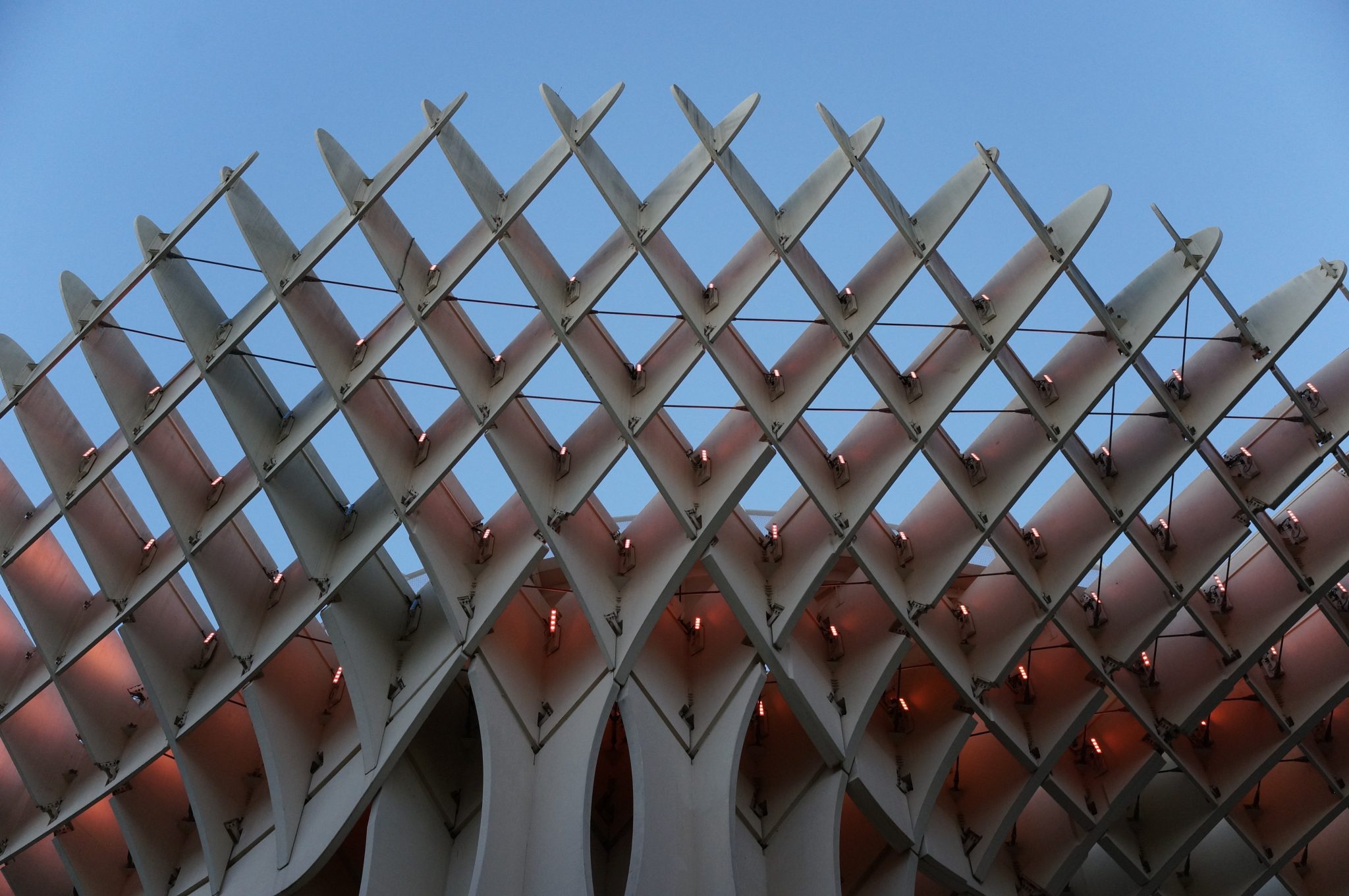
Begin your final day at the Metropol Parasol, known by locals as Las Setas, or The Mushrooms. This giant wooden waffle structure rises above the old town rooftops in Plaza de la Encarnacion. Take the lift to the winding rooftop walkway for sweeping morning views across the entire skyline. Beneath the structure, you can peek at excavated Roman ruins preserved behind glass.
Next, take a slow stroll over to the Museum of Fine Arts. Housed inside a peaceful 17th-century convent, it holds incredible works by Andalusian masters like Murillo and Zurbaran. The quiet, sun-drenched cloisters offer a calm retreat from the busy shopping streets outside. We recommend sitting on a shaded stone bench here just to listen to the courtyard fountain splash.
Finish your afternoon by walking along the river toward the Torre del Oro, a 13th-century defensive watchtower that once guarded Seville from naval attacks. If you enjoy day trips or moving between nearby southern towns like Cordoba or Cadiz, you can book regional trains and guided day tours through reliable local operators to keep your schedule smooth and flexible.
Where to Stay in Seville by Neighborhood
Picking the right base makes exploring on foot effortless. For first-time visitors, Barrio Santa Cruz offers endless charm right next to the historic monuments. You will step directly out of your front door into romantic cobblestone alleys, though taxis cannot reach many internal street doors.
El Arenal is our favorite area for food lovers and couples. It sits tucked between the cathedral and the river, filled with fantastic wine bars, quiet streets, and boutique stays. If you want a creative, edgy atmosphere with independent coffee shops and vintage stores, look into Alameda de Hercules in the north. It stays lively late into the night with locals hanging out on open plazas.
Families and quiet travelers often prefer the Los Remedios or Triana riverside areas, which give you space away from heavy sightseeing crowds. To find the right room for your group, check current hotel prices across Seville to match your personal budget and preferred travel dates.
Planning Your Seville Trip
Getting your logistics sorted ahead of time ensures a smooth journey. Most international travelers fly directly into Seville Airport or take the high-speed AVE train from Madrid in under three hours. When planning international flights, remember that unforeseen transport snags happen; for instance, unexpected news like US Grounds Flights Nationwide Disrupting Cayman Travel shows how quickly schedules can shift worldwide. Always double check your air connections early to stay ahead of sudden schedule changes.
Getting into the city center from Seville Airport is straightforward. The local airport bus runs every twenty minutes and drops you near the main train station and city center. If you land with heavy luggage or arrive late at night with family, you can book a private airport taxi transfer to have a driver waiting right outside arrivals. If you plan to explore distant hilltop white villages across the province without driving yourself, hiring a private driver for day excursions makes long countryside road trips simple and relaxing.
Seville Travel Checklist
- Pack breathable cotton clothing and comfortable walking shoes for uneven cobblestone paths.
- Buy your royal palace tickets online well before your travel date.
- Carry a lightweight water bottle to refill at public fountains throughout town.
- Keep small euro coins handy for tipping cafe servers and buying market snacks.
- Download an offline map to find your way through the winding alleys of the old town.
Frequently Asked Questions About Seville
Is 3 days enough time to visit Seville?
Yes, 3 days gives you enough time to see the main historic sights, enjoy leisurely tapas lunches, and watch an authentic flamenco show without rushing. It lets you experience the lively local culture at a relaxed Southern Spanish pace.
What is the best month to visit Seville?
Spring months from March to May and autumn months from October to November offer warm sunshine and comfortable temperatures. Summers can get blisteringly hot, with July and August temperatures regularly topping 40 degrees Celsius.
Do I need a rental car in Seville?
No, you do not need a car inside the city. Seville is flat and best explored on foot or by using the easy tram and bus system. A car is only helpful if you plan to explore small countryside villages across Andalusia afterward.
Can you drink the tap water in Seville?
Yes, tap water throughout Seville is clean, safe to drink, and tastes good. Fill your reusable bottle before leaving your hotel room each morning to stay hydrated during your walks.
Quick Travel Tips for Seville
Remember that many smaller shops and family-run spots close between 2:00 PM and 5:00 PM for the afternoon rest. Plan your museum visits or relax in a shady park during these hours. Always look for tapas bars packed with locals standing at the counter, as that is where you will find the freshest food and friendliest service. Take your time, walk slowly, and let yourself fall in love with this sunny southern jewel.


Comments
Post a Comment